
Umbilical cord
WJ-MSC/TERT273
Mesenchymal stem cells play an essential role in tissue homeostasis and repair, whereby evidence has accumulated that these effects are at least in part mediated by secreted extracellular vesicles (EVs). To boost the development of EV-based therapeutics, continuously growing, standardizable EV production hosts are of ever-increasing importance. Evercyte ́s WJ-MSC/TERT273 cell line fulfils all requirements for production of clinical grade EVs under GMP conditions. EVs secreted from our WJ-MSC/TERT273 cell line show neo-angiogenic, anti-inflammatory, anti-fibrotic and wound healing activities as demonstrated by in vitro bioassays. Additionally, the cells are valuable for studying processes such as differentiation, inflammation, tissue homeostasis and repair.
General information
Cat#: CHT-021-0273
Morphology and growth characteristics
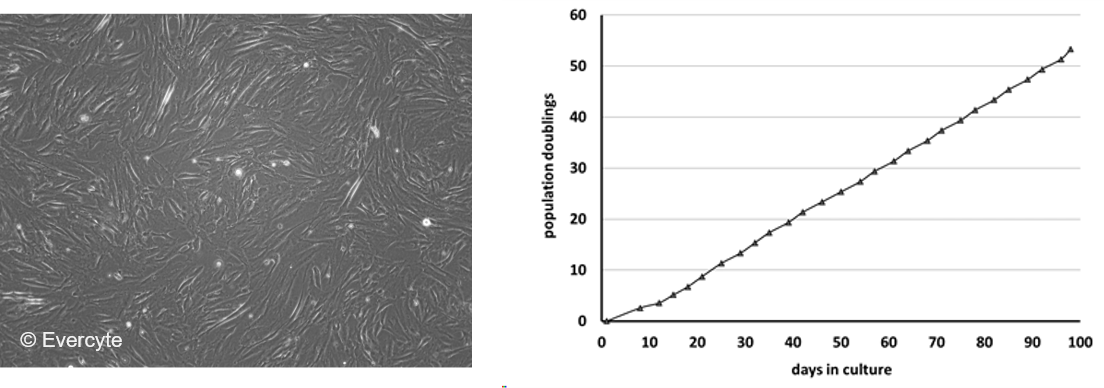
WJ-MSC/TERT273 cells can be grown for a minimum of 50 population doublings with a stable growth rate and without showing signs of growth retardation. The cells are characterized by the typical spindle-shaped mesenchymal morphology.
Expression of MSC marker proteins CD73, CD90, CD105
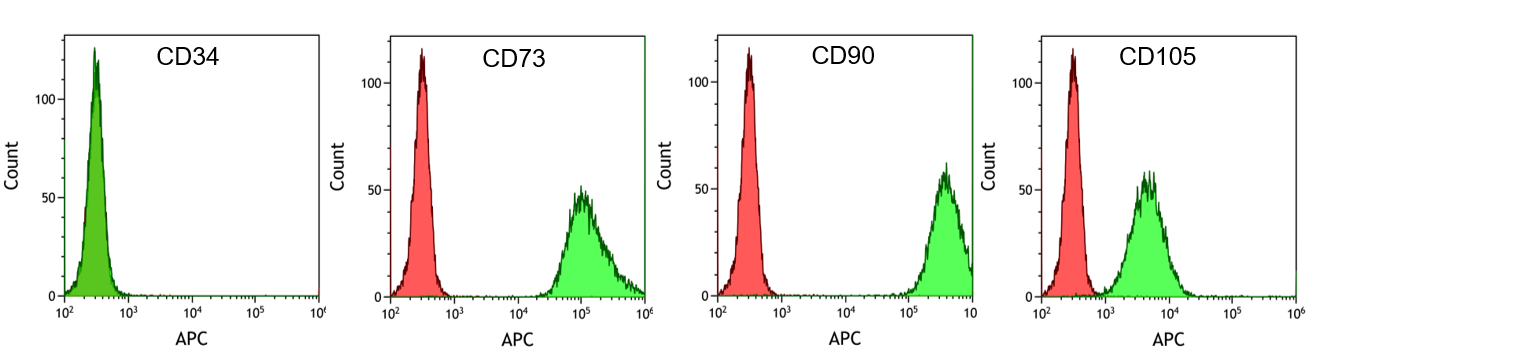
WJ-MSC/TERT273 cells homogeneously express typical marker proteins of mesenchymal stem cells such as CD73, CD90 and CD105 (green peaks). The cells do not express CD34 (green peaks) as shown by indirect immunofluorescence stainings. Cells stained with the corresponding isotype-control antibodies were used as negative controls (red peaks).
Characterization of extracellular vesicles / cryoEM and western blot
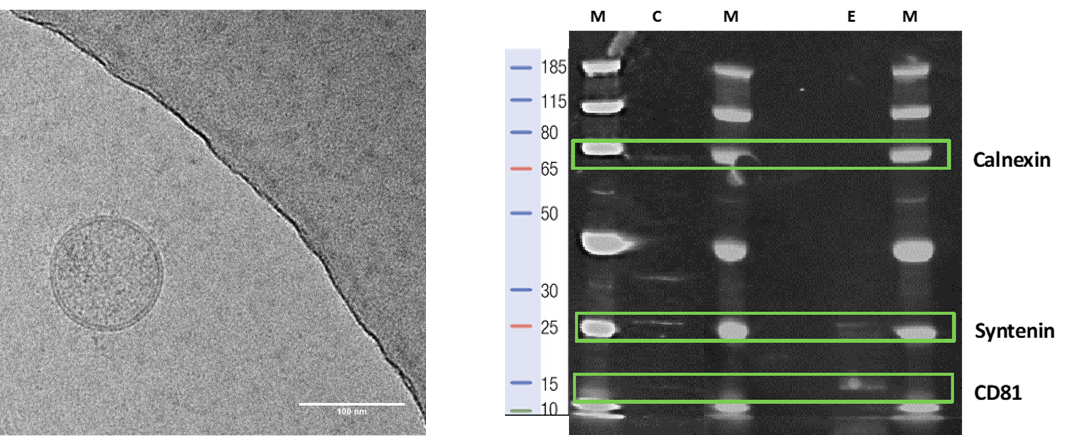
Extracellular vesicles from WJ-MSC/TERT273 cells show the characteristic lipid double layer membrane (cryo-EM) and typical marker proteins such as syntenin and CD81 are detected, whereas calnexin is only present in cell lysates (western blotting).
Production of extracellular vesicles and miRNA cargo of EVs
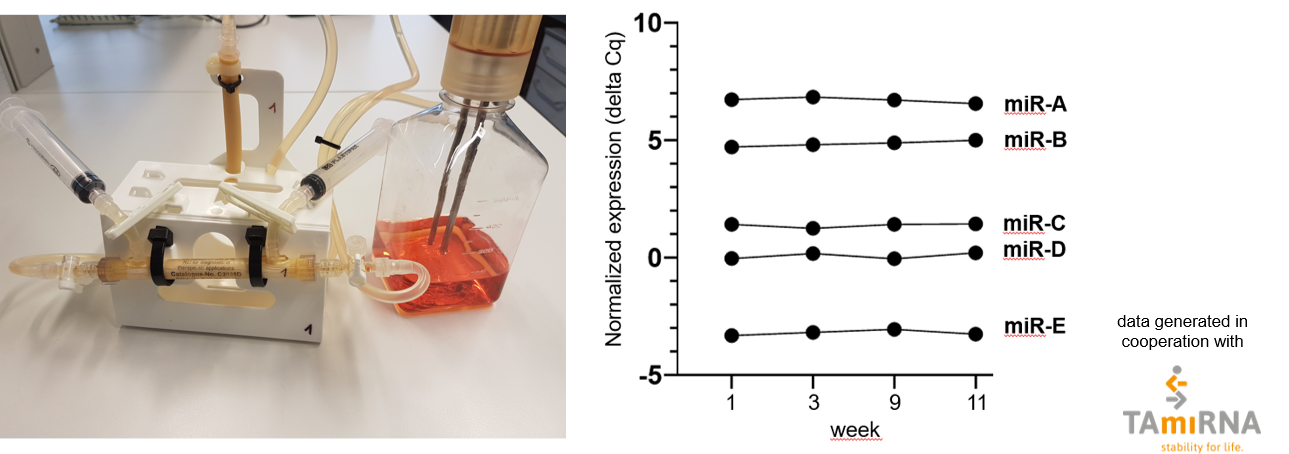
Extracellular vesicles from WJ-MSC/TERT273 are produced in a hollow fiber bioreactor system with continuous harvests over a peroid of at least 4 months. Characterization of EVs harvested at different time points reveals stable miRNA cargo throughout the whole production process.
Influence of WJ-MSC/TERT273 derived EVs on myofibroblast differentiation
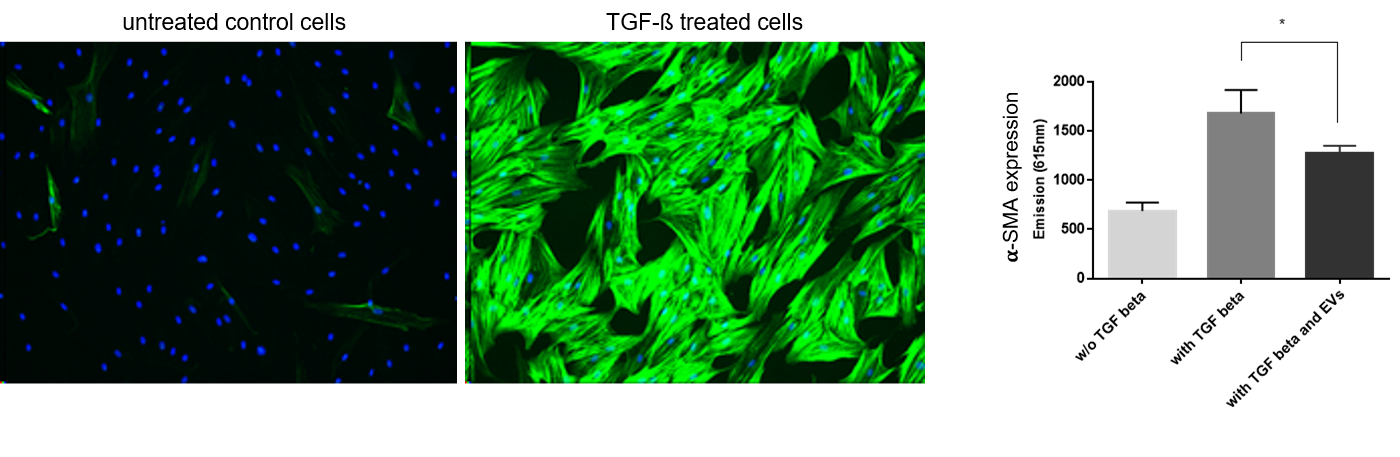
Treatment of telomerized human dermal fibroblasts fHDF/TERT166 with transforming growth factor beta (TGF-ß) induces expression of alpha smooth muscle actin (𝛂-SMA).
Treatment of cells with TGF-ß together with extracellular vesicles (EVs) from Wharton´s Jelly derived mesenchymal stem cells (WJ-MSC/TERT273) reduces 𝛂-SMA expression significantly, demonstrating an effect of EVs on myofibroblast differentiation.
Fibroblast growth promoting activity of WJ-MSC/TERT273 derived EVs
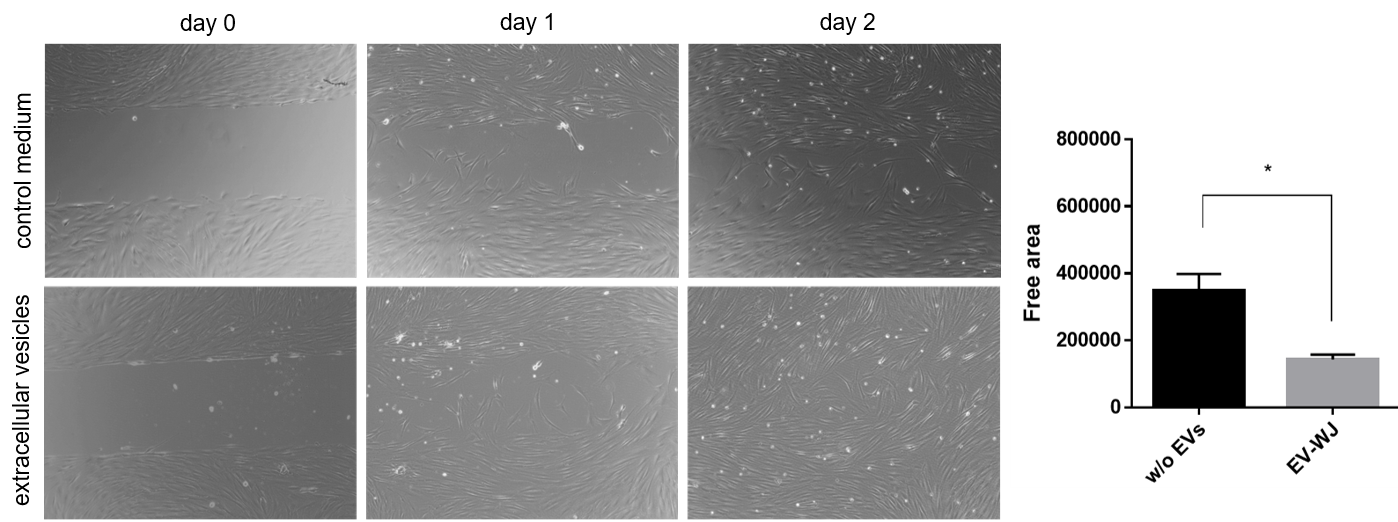
fHDF/TERT166 were seeded into chamber slides and a physical gab within the monolayer was created followed by monitored the process of cell migration into the gap. Significantly less free area between the cells was detected upon addition of extracellular vesicles from MSCs (WJ-MSC/TERT273).
Neo-angiogenic potential of WJ-MSC/TERT273 derived EVs
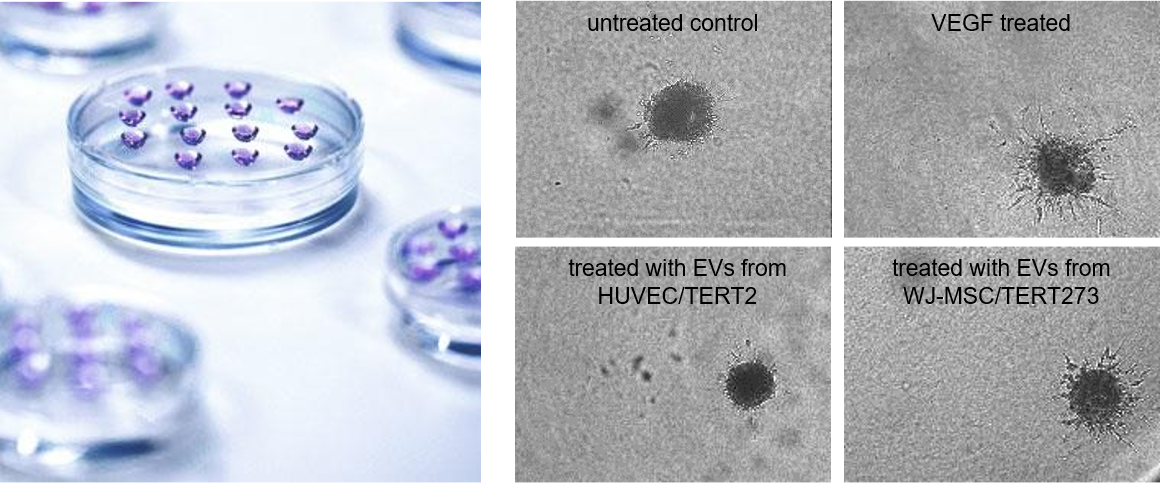
Treatment of endothelial cell spheroids embedded in a semi-solid matrix with extracellular vesicles from WJ-MSC/TERT273 cells induces sprout formation similar as vascular endothelial growth factor (VEGF) indicating neo-angiogenic properties of EVs.
Anti-inflammatory activity of WJ-MSC/TERT273 derived EVs
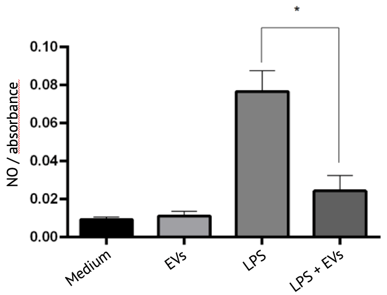
Treatment of mouse macrophage cells with lipopolysaccharide (LPS) induces an inflammatory reaction as mirrored by formation of nitric oxide (NO).
Addition of extracellular vesicles from WJ-MSC/TERT273 cells significantly reduces NO formation indicating an anti-inflammatory activity of the EVs.
FAQs
In vitro propagation
Mesencult – ACF Plus Culture Kit
Mesencult – ACF Plus Culture Kit including Animal Component-Free Cell Attachment (STEMCELL TECHNOLOGIES, Cat# 05448)
2 mM GlutaMAXTM-I (Gibco, Cat# 35050-038)
Additional material & reagents
Phosphate buffered saline (PBS) (Sigma, Cat# D8537)
CTS TrypLE Select Enzym (Gibco, Cat# A1285901)
Passaging of cells
The new culture flasks have to be pre-coated with ACF Cell Attachment Substrate following the instructions of the manufacturer. Briefly, dilute the substrate 1:300 in PBS and transfer the diluted substrate to the culture flasks (72 µl/cm²), incubate at least 2 hours at room temperature.
Cryopreservation
Freezing medium
CryoStor(R) cell cryopreservation medium CS10 (Sigma Aldrich, Cat# C2874
Additional material & reagents
Freezing of cells
Detach the cells after having reached about 80-90 % confluence from the culture vessel by using CTS TrypLE Select Enzym solution (Protocol passaging of WJ-MSC/TERT273).
Thawing of cells
Original Evercyte cells are to be thawed in a T25 roux flask
Product data sheet – certificate of analysis
Protocols
Data on Markers and Functions
Selected publications
Coming soon
Licence Conditions
The business concept of Evercyte is to out-license telomerized cells to our customers. The license conditions depend on whether the contract partner is a for profit or a nonprofit organization and the intended use of the cells.
Nonprofit organizations
On time payment for unlimited use: EUR 1300
Profit organizations
Pharmaceutical – chemical- cosmetic industries
Contract research organizations (CRO)
Initial license fee for 6 months: EUR 2000Annual license fee R&D: royalty based


Customer Reviews
“I have had the pleasure of working with Evercyte for the last few years. We continually rely on Evercyte because of the high-quality data that they produce, their diligent responsiveness, and their excellent customer service.”
Josh Garlich, Senior Research Scientist, Apellis Pharmaceuticals, Inc.
“Cytonus has been working with Evercyte from many years as they are a trusted partner and have always delivered the highest quality cell lines to advance our platform. We routinely draw on their expertise to meet cellular engineering challenges and they have not disappointed.”
Remo Moomiaie-Qajar, Cytonus Therapeutics, Inc.
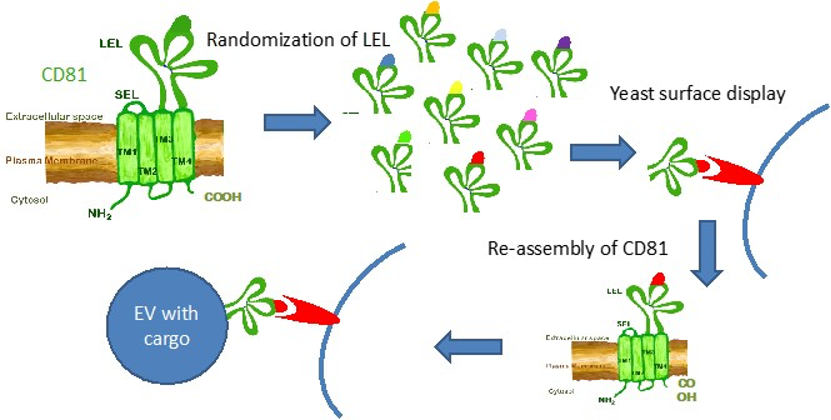
EV platform technology to select cell / tissue specific binders
Customer Reviews
“I have had the pleasure of working with Evercyte for the last few years. We continually rely on Evercyte because of the high-quality data that they produce, their diligent responsiveness, and their excellent customer service.”
Josh Garlich, Senior Research Scientist, Apellis Pharmaceuticals, Inc.
“Cytonus has been working with Evercyte from many years as they are a trusted partner and have always delivered the highest quality cell lines to advance our platform. We routinely draw on their expertise to meet cellular engineering challenges and they have not disappointed.”
Remo Moomiaie-Qajar, Cytonus Therapeutics, Inc.